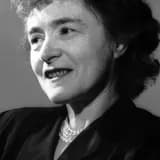
Gerty and Carl Cori published their landmark description of the biochemical pathway now known as the Cori cycle.
In 1929, Gerty and Carl Cori published their seminal description of what would come to be known as the Cori cycle—the metabolic pathway by which lactic acid produced in muscles during exertion is transported to the liver and converted back into glucose, which is then returned to the muscles for use as energy or stored as glycogen.
This discovery represented a fundamental advance in understanding how the human body manages energy production and recycling, particularly under conditions of physical exertion. It laid essential groundwork for the broader field of carbohydrate metabolism research and provided critical insight into the biochemical basis of muscle physiology, fatigue, and energy homeostasis.
The exact month and day of publication within 1929 are not clearly documented in major biographical or scientific sources, but the significance of the work is undisputed: the Cori cycle remains a cornerstone concept taught in biochemistry and physiology courses worldwide. It was foundational to the couple's later, more detailed enzymatic studies of glycogen metabolism, which would ultimately be recognized by the Nobel Committee in 1947. The Cori cycle also had lasting clinical relevance, informing later understanding of metabolic diseases including diabetes.