← All women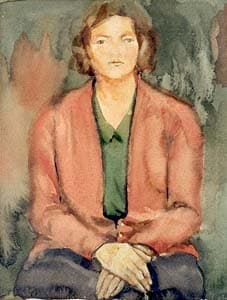
Estonian · Arts
Lydia Mei
July 2, 1896 – September 14, 1965
Early Life and Background
Lydia Mei was born on July 2, 1896, in Estonia. Growing up in a cultural environment, Lydia was exposed to the arts from an early age. Her family encouraged her artistic inclinations, which led her to pursue formal education in art. She studied at the prestigious Ants Laikmaa School of Art, where she honed her skills in watercolor painting.
Career Beginnings and Development
Lydia Mei's career began in the early 20th century amidst a dynamic period of artistic experimentation in Europe. She became associated with the avant-garde movement, embracing its principles of breaking away from tradition and exploring new forms of expression. Her unique style, characterized by vibrant colors and expressive forms, won her acclaim and recognition within artistic circles.
Major Works and Accomplishments
Lydia Mei is renowned for her expressive portraiture and vibrant use of color. Her works often explored themes of identity and emotion, capturing the essence of her subjects with striking intensity. Despite the challenges faced by women artists during her era, Lydia's art gained considerable attention, featuring in multiple exhibitions across Estonia and beyond.
Awards, Honors, and Recognition
While specific awards during her lifetime remain undocumented, Lydia Mei's work has been posthumously recognized for its contribution to Estonian art. Her paintings are studied and celebrated for their expressive quality and their role in advancing modern art in Estonia.
Personal Life
Lydia Mei's personal life was intertwined with the artistic community of her time. She was known to have collaborated with fellow artists and was part of a circle that included other significant figures of the Estonian avant-garde. Details regarding her personal relationships and family life remain largely private and undocumented.
Legacy and Historical Impact
Lydia Mei's legacy is firmly entrenched in the history of Estonian art. As a pioneer of the avant-garde movement, her work has inspired subsequent generations of artists. Her paintings remain a testament to her innovative spirit and her refusal to conform to traditional artistic styles.
Later Life and Death
In the later years of her life, Lydia Mei continued to paint and contribute to the cultural tapestry of Estonia. She passed away on September 14, 1965, leaving behind a legacy of art that continues to influence and inspire.
Dated achievements
2 indexed.
- Jan241896Arts
Born in Tallinn, Estonia
Lydia Mei was born in Tallinn, Estonia, into a family that would produce three notable avant-garde sisters.
View details Lydia Mei — Wikipedia - Jan011965Arts
Death of Lydia Mei
Lydia Mei died in 1965, closing out a career that spanned Estonian and Parisian avant-garde art circles.
View details