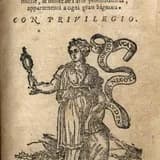
Historians of science and gender studies in the 2020s continued citing Cortese's Secreti as a rare female-authored alchemical manual shaping women's history of science.
Around 2020, scholars of the history of science and gender studies—including researchers such as Meredith Ray, whose work has focused on women and print culture in early modern Italy—continued to examine and cite Isabella Cortese's I secreti as a key primary source for understanding women's engagement with alchemy, medicine, and experimental knowledge in the Renaissance.
This scholarly reassessment situates Cortese's text within larger debates about authorship, gender, and scientific authority in the sixteenth century. Some historians argue that 'Isabella Cortese' may represent a constructed or pseudonymous authorial identity used to lend the text credibility or marketability by invoking a woman's practical, domestic expertise in matters of health and beauty. Others treat the text as evidence, however indirect, of women's actual participation in alchemical and medical knowledge production.
Regardless of the debate over Cortese's historical reality, her book has become central to academic discussions—published in journals accessible via platforms like Project MUSE—about the 'books of secrets' genre, the democratization of scientific knowledge through vernacular print, and the gendered dimensions of authorship and expertise in early modern Europe.
This ongoing scholarly attention ensures that Cortese's name and work remain vital touchstones in the historiography of women in science, more than 450 years after the book's first printing.