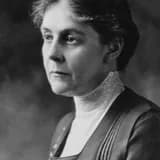
Hamilton became the first woman appointed to the Harvard Medical School faculty, as assistant professor of industrial medicine, in 1919.
In 1919, Alice Hamilton was appointed assistant professor of industrial medicine at Harvard Medical School, becoming the first woman ever appointed to the Harvard Medical School faculty in the university's nearly 300-year history at that point. This appointment was a landmark moment not only for Hamilton personally but for women in American medicine and academia broadly, as Harvard had long resisted admitting or hiring women.
Her appointment came with notable conditions reflecting the era's gender barriers: Hamilton was reportedly barred from marching in commencement processions, denied access to the Harvard Faculty Club, and could not obtain football tickets reserved for faculty. Despite these indignities, she used the position to expand the fledgling field of industrial medicine, teaching, conducting research, and continuing her field investigations into industrial toxins such as lead, mercury, carbon monoxide, and organic solvents.
Hamilton's appointment reflected Harvard's recognition of her unparalleled expertise; no other American scientist, male or female, had her combination of field experience and scientific authority on occupational disease. Her tenure at Harvard lasted until her mandatory retirement in 1935, during which she trained numerous students and published extensively, including her influential 1925 textbook Industrial Poisons in the United States. Her appointment is widely cited as a pioneering breakthrough that helped open doors for subsequent generations of women in academic medicine and public health.