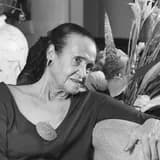
McBurnie founded the Little Carib Theatre, Trinidad’s first theatre of its kind and a landmark for Caribbean arts.
1 January 1947 marks the year McBurnie returned to Trinidad and founded the Little Carib Theatre, the first theatre of its kind in Trinidad and one of the most important institutions in the island’s artistic history. The theatre became a home for folk dance, experimental performance, and Caribbean cultural expression, and it also provided a practical venue for artists who had long lacked institutional support.
This achievement mattered because McBurnie was not simply creating a performance space; she was building a cultural institution in a colonial and postwar society where local artistic traditions were still often treated as marginal. The Little Carib helped legitimize Caribbean dance and theatre as serious forms worthy of preservation and study. It also created opportunities for generations of performers, choreographers, and writers. McBurnie’s leadership in establishing the theatre reflected both artistic vision and institutional persistence, since women in her era rarely controlled such public cultural enterprises.
The theatre’s significance extended beyond Trinidad. It became part of a wider movement affirming Caribbean identity through the arts, helping to lay cultural groundwork for the period leading to independence. McBurnie’s initiative remains a landmark in the history of Black performance and Caribbean cultural self-definition.