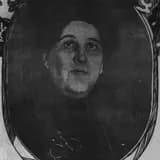
Owens retired from the Chicago Police Department in 1923 after 32 years of service.
In 1923, Marie Owens retired from the Chicago Police Department after roughly 32 years of service. The exact day is not documented in the available sources, but the year is clear: she ended a pioneering career that had begun with her transfer to the police department in 1891.
Owens’s retirement was significant because it closed one of the earliest chapters in American women’s policing. During her tenure, she concentrated on cases involving women and children, enforced child labor and compulsory education laws, and worked to improve conditions for young workers in Chicago’s factories. Her role showed how policing could be linked to social reform in the Progressive Era, when reformers were confronting industrial exploitation and the abuse of vulnerable populations.
She retired with a police pension, a notable recognition for a woman in a field that had barely begun to admit women at all. Her longevity on the force also underscored the persistence required to maintain such a position in an era of gendered skepticism and institutional resistance. Owens’s retirement did not end her historical importance; it marked the end of a career that helped define the possibility of women in law enforcement.