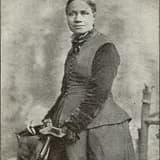
Harper published her acclaimed collection Poems on Miscellaneous Subjects, cementing her status as a leading African American poet.
In 1854, Frances Ellen Watkins Harper published Poems on Miscellaneous Subjects, a collection that would become one of the most commercially successful volumes of poetry by any African American writer of the 19th century. The book combined lyrical craftsmanship with searing indictments of slavery, religious devotion, and calls for justice.
The collection sold tens of thousands of copies over subsequent editions and reprintings, an extraordinary achievement for any American poet at the time, let alone a Black woman writing in an era when African Americans' literacy and authorship were often questioned or dismissed. It established Harper as the most popular African American poet before Paul Laurence Dunbar rose to prominence decades later.
The publication coincided with the beginning of Harper's career as a professional antislavery lecturer, and the volume served as both a literary achievement and an activist tool, generating income and public attention that helped support her travels and lectures for the Maine Anti-Slavery Society and other abolitionist organizations.
Poems in the collection, including "Eliza Harris" (inspired by a character in Uncle Tom's Cabin) and "Bury Me in a Free Land," demonstrated Harper's ability to merge poetic artistry with pointed political commentary, a hallmark of her entire literary career. The book remains a landmark text in African American literary history.