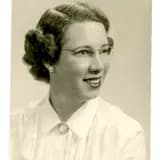
Holberton created the first sort-merge generator, an early generative programming system that influenced modern compiler design.
Around 1951, Betty Snyder Holberton developed a groundbreaking UNIVAC I program recognized as the first sort-merge generator — a system capable of automatically generating customized sorting and merging routines based on user-specified parameters, rather than requiring programmers to write such routines from scratch each time.
This was an early and highly influential example of generative programming: instead of manually coding every instruction, the generator produced optimized code tailored to the specific sorting task at hand, taking into account factors like available memory and the volume of data. This concept anticipated core ideas that would become central to the development of compilers and higher-level programming languages later in the decade.
Computing pioneer Grace Hopper, who worked alongside Holberton at Remington Rand's UNIVAC division, later credited Holberton's sort-merge generator as a key inspiration for her own work on automatic programming and the A-0 compiler system, which in turn influenced the development of COBOL.
The precise calendar date of this achievement is not documented in surviving historical sources; 1951 is the year consistently cited in secondary literature. Holberton's innovation represented a major conceptual leap forward in software engineering at a time when the very notion of "software" as distinct from hardware was still being defined, and it remains one of her most cited technical contributions.