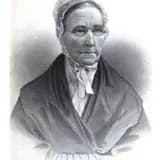
Catharine and Levi Coffin relocated to Cincinnati, Ohio, opening a Free Produce store and continuing extensive Underground Railroad and anti-slavery organizing.
In 1847, after more than two decades of extensive Underground Railroad activity in Indiana, Catharine and Levi Coffin relocated to Cincinnati, Ohio, a major city along the Ohio River that served as a critical crossing point for enslaved people fleeing from Kentucky and other slave states into free territory.
In Cincinnati, the Coffins opened a "Free Produce" store, a specialized business that sold only goods—such as cotton, sugar, and other commodities—that had been produced without the use of enslaved labor. This form of economic boycott was a deliberate strategy embraced by abolitionists to demonstrate that ethical commerce could function as a tool of resistance against the institution of slavery, denying it any complicity, however indirect, from conscientious consumers.
Catharine's role in Cincinnati extended well beyond retail. She became deeply involved with the Cincinnati Anti-Slavery Sewing Circle, an organization of women who produced clothing for fugitives passing through the city's Underground Railroad network, and at times crafted disguises to help freedom seekers evade capture by slave catchers and federal marshals enforcing the Fugitive Slave Act. This organizing work reflected the vital, though often under-recognized, role that women played in sustaining the practical infrastructure of the abolitionist movement, providing the material support—clothing, food, and shelter—that made successful escapes possible.
The Cincinnati years marked an intensification, rather than a diminishment, of the Coffins' commitment to aiding enslaved people, positioning Catharine as a central organizer within one of the era's most active urban centers of anti-slavery activity.