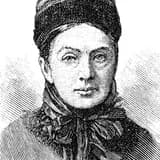
Isabella Bird became the first woman elected a Fellow of the Royal Geographical Society in London, breaking a major gender barrier in exploration.
In 1892, Isabella Bird achieved one of the most significant milestones of her career when she became the first woman elected a Fellow of the Royal Geographical Society (RGS) in London. Founded in 1830, the RGS had been an exclusively male institution for over six decades, and its fellowship represented the pinnacle of recognition in the field of geography and exploration.
Bird's election came on the strength of her extensive and detailed travel writings, which included journeys through the American West, Hawaii, Japan, Malaysia, Persia, Kurdistan, Tibet, and China. Her books, such as Unbeaten Tracks in Japan and A Lady's Life in the Rocky Mountains, combined vivid narrative with careful ethnographic and geographical observation, earning her respect among the male-dominated scientific establishment.
The admission of women to the RGS had been a contentious issue, with considerable debate and resistance among existing Fellows who feared it would dilute the prestige of the institution. Bird's election, alongside a small number of other women admitted around the same time before a subsequent backlash temporarily halted further female admissions, marked a crucial, if contested, opening of doors for women in the geographical sciences.
This achievement cemented Bird's legacy not only as a writer and adventurer but as a trailblazer whose scientific credibility forced institutional change, setting an important precedent for future generations of women explorers and geographers.