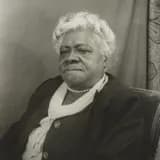
Bethune’s Daytona school merged with the Cookman Institute in 1923, creating a coeducational college that became Bethune-Cookman.
In 1923, Bethune’s Daytona school merged with the Cookman Institute to become a coeducational college, later known as Bethune-Cookman. The merger marked an important institutional transition from a small girls’ school into a broader college serving both men and women, extending Bethune’s educational influence far beyond her original founding project.
The merger mattered because it reflected both the strength of Bethune’s leadership and the limits Black institutions had to overcome in order to survive. Financial instability, segregation, and unequal public support made it difficult for Black colleges and schools to thrive. Bethune responded by seeking partnership and consolidation, preserving the educational mission while expanding opportunities for more students.
This development also deepened Bethune’s legacy as a builder of enduring institutions rather than merely a charismatic founder. The college became a symbol of Black self-help and educational ambition in the twentieth century. Its later growth into a university underscores how Bethune’s work helped create an institution that would outlast her lifetime and continue serving generations of students.