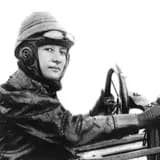
Marie Marvingt flies bombing missions near Metz in WWI, becoming the first woman combat pilot and earning the Croix de Guerre.
In 1915 (exact day undocumented, represented here as 1 January for year‑only context), Marie Marvingt flew bombing missions over German‑held territory near Metz during World War I, becoming the first woman to fly combat missions as a bomber pilot.
Initially barred from front‑line aviation because of her sex, Marvingt served as a surgical nurse and ambulance driver. Determined to participate in aerial combat, she reportedly disguised herself as a man to fly at least one mission before being discovered. Subsequent accounts emphasize that she flew officially sanctioned bombing sorties, for which she was later awarded the Croix de Guerre, one of France’s principal military decorations for bravery.
Her combat flights broke a profound gender barrier. Military aviation was at the cutting edge of technology and strategy, and combat roles were reserved almost exclusively for men. Marvingt’s presence in the cockpit challenged the assumption that women could not, or should not, engage directly in violent conflict or operate complex weapon systems. Although the precise calendar date of her mission has not been recovered in readily accessible sources, its historical significance is well established. She stands as a precursor to the many women who would later serve as combat pilots and aircrew, demonstrating during the First World War that women could meet the demands of aerial warfare.