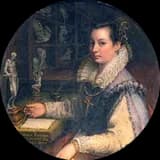
Fontana became the first woman commissioned by Counter-Reformation Church patrons to produce large-scale public sacred altarpieces.
Around 1594, Lavinia Fontana had become established as the recipient of major commissions from Counter-Reformation church patrons for large-scale public altarpieces, a role that made her, according to art historians, the first woman employed by the Counter-Reformation Church specifically to produce such monumental sacred works.
The Counter-Reformation placed enormous emphasis on religious art as a tool of doctrinal instruction and devotional inspiration, following the decrees of the Council of Trent, which called for clear, emotionally resonant, theologically precise sacred imagery. Commissions of this kind carried significant institutional weight and scrutiny, as the paintings would represent the Church's teachings to the public in prominent locations.
That ecclesiastical authorities entrusted such commissions to a woman is a striking indication of the trust Fontana had earned through her technical skill and doctrinal reliability. Her altarpieces from this period display sophisticated compositions, dynamic figure groupings, and careful iconographic programs consistent with Tridentine artistic guidelines. This recognition by the institutional Church opened the door for her later, even more prestigious commissions in Rome under papal patronage, and it stands as evidence that the highest religious authorities of the era considered a woman capable of producing art meant to shape public faith and morality.