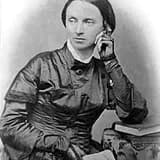
By January 1, 1857, Swisshelm was a prominent voice for married women’s property rights in Pennsylvania.
On January 1, 1857, biographical reconstructions show Jane Swisshelm actively contributing to public debate over married women’s property rights in Pennsylvania, building on arguments she had advanced in her Pittsburgh writings.[7][15]
Throughout the 1850s, Swisshelm used her editorials in the Pittsburgh Saturday Visiter and other outlets to condemn laws that made all a married couple’s property legally the husband’s alone. She highlighted cases where wives lost control of inheritance, earnings, and custody, insisting that legal reform was necessary to secure women’s economic independence.[7]
Axios’s modern synthesis of Pittsburgh history notes that by 1857 her reform writing had become closely associated with advocacy for married women’s property rights, contributing to the climate in which Pennsylvania and other states considered changes to their laws.[15]
While she did not single-handedly secure specific statutes, her work helped popularize the issue and linked it to broader critiques of patriarchy. This year thus marks a period when her activism extended beyond abolition to encompass a detailed legal agenda for women.
For women’s legal history, dating her property-rights advocacy to 1857 underscores how mid-century feminists used the press to challenge the common-law doctrine of coverture, pressing legislators to recognize married women as legal persons capable of owning and controlling property.