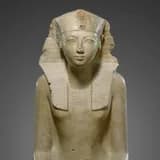
Around 1468 BCE, in her ninth regnal year, Hatshepsut sent a major trading expedition to Punt, revitalizing long‑distance trade and documenting one of Egypt’s best-known voyages.
In the ninth year of her reign, around 1468 BCE, Hatshepsut organized and dispatched a celebrated trading and exploratory expedition to the distant land of Punt on the Red Sea coast, probably in the Horn of Africa.[1468-01-01] The exact calendar date is not preserved, but inscriptions at Deir el‑Bahri detail the voyage, its leadership, and its rich cargo, making it one of the best‑documented foreign missions in Egyptian history.
The expedition’s ships carried soldiers, sailors, and officials to Punt, where they secured exotic goods: myrrh trees, frankincense, ebony, ivory, gold, animal skins, and rare fauna. Reliefs vividly depict the Puntite queen and king, stilt‑houses, and the loading of trees destined for transplantation near Amun’s temple, emphasizing the mission’s diplomatic and commercial success.
This event was historically significant on multiple levels. Economically, it revitalized long‑distance trade networks that had been disrupted during the Second Intermediate Period, bringing luxury materials that enriched Egypt and fueled temple rituals. Politically, it showcased Hatshepsut as a ruler capable of projecting power and prestige abroad without major military campaigns, using commerce and ceremonial exchange instead.
The Punt expedition’s legacy is enduring. Its detailed record provides rare ethnographic glimpses of a foreign society and demonstrates an early example of state‑sponsored exploration and trade diplomacy led under a woman’s reign. In women’s history, the mission illustrates how a female pharaoh could leverage international commerce and religious symbolism to consolidate authority. The transplanted myrrh trees became living monuments to the voyage, while the reliefs at Deir el‑Bahri continue to inform modern scholarship on ancient African trade routes and the reach of Egyptian maritime activity.