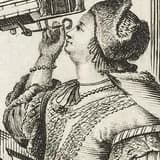
Publication of the Hevelius star catalog with 1,564 stars, a landmark in pre-telescopic astronomy.
1688 saw the publication of the star catalog associated with Elisabetha and Johannes Hevelius, a work describing 1,564 stars and widely regarded as the most important catalog of its kind at the time. The exact day of publication is not documented in the supplied sources, but the year is consistently associated with this milestone.
The catalog mattered because it represented the culmination of painstaking naked-eye observations made in Danzig and preserved in a form that other astronomers could use. Sources note that the Hevelius catalog was especially important because it remained the last major star catalog compiled without telescopic observations, making it both a scientific achievement and a historical endpoint in observational technique. Elisabetha’s role in this process was not peripheral: she helped transform observational labor into a durable printed record. In a period when publication depended on technical editing, engraving, and careful coordination, her contribution helped secure the reputation of the Hevelius observatory and preserved a landmark in seventeenth-century astronomy.