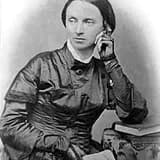
By January 1, 1880, Swisshelm was remembered as a pioneering abolitionist editor and women’s rights advocate.
On January 1, 1880, biographical accounts note that Jane Swisshelm was still recognized in historical and journalistic writing as a pioneering abolitionist, editor, and women’s rights advocate.[4][5]
By 1880, Swisshelm had spent more than four decades in reform journalism. Reference works and later historians observe that she was acknowledged by contemporaries and near-contemporaries as a significant figure in the development of women’s political writing and the antislavery press.[4][10][17] Minnesota Historical Society’s MNopedia identifies this approximate date as part of her late-life historical recognition.[5]
During these years she also produced her memoir, Reminiscences of Half a Century (published around 1880–1881), which provided her own narrative of her journalistic career, marriage, and reform work.[4][10] The book contributed to the documentation of women’s roles in nineteenth-century politics and press culture and helped cement her legacy.
Marking 1880 as a point of historical recognition underscores how Swisshelm lived long enough to see her earlier conflicts and campaigns interpreted within emerging histories of abolition and women’s rights. She understood herself as part of a broader movement and claimed that place in print.
For women’s history, this late recognition reveals the gradual process by which women reformers moved from marginal, contested figures to subjects of historical record, a process in which Swisshelm actively participated through her autobiography.