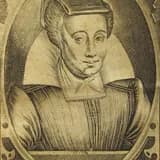
In the preface to her 1609 book, Bourgeois declared herself the first practicing midwife to publish her own clinical observations.
In the preface to her 1609 publication, Louise Bourgeois made an extraordinary and explicit claim of precedence, describing herself as "the first woman practicing my art to take up the pen." This bold self-declaration positioned her not merely as an author of a medical text but as a conscious pioneer aware of the historic weight of her achievement.
At a time when women were almost entirely excluded from formal medical authorship, and when midwifery itself was often dismissed by the emerging male-dominated surgical and medical establishment as an unlearned, folk practice, Bourgeois's assertion was a direct challenge to prevailing gender and professional hierarchies. She grounded her authority not in academic credentials, which were closed to her, but in decades of direct clinical experience delivering hundreds of births, including those of the royal family.
This self-identification is historically significant because it represents one of the earliest documented instances of a woman explicitly claiming authorial precedence in medicine, framing her work as both a professional handbook and a deliberate act of representation for women practitioners. Modern historians of medicine and gender studies frequently cite this preface as evidence of early modern women's awareness of, and resistance to, their exclusion from intellectual and professional recognition.
Her declaration has become a touchstone reference point in the history of women in medicine, cited in numerous academic analyses of gender, authorship, and professional authority in early modern Europe.