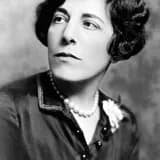
Ferber's novel Cimarron was published in 1930, later adapted into the 1931 Best Picture Oscar-winning film.
In 1930, Edna Ferber published Cimarron, an epic novel chronicling the Oklahoma land rush and the subsequent decades of settlement, following the fortunes of the Cravat family amid the transformation of the American frontier. The novel showcased Ferber's signature blend of sweeping historical scope with intimate character study, particularly through its portrayal of Sabra Cravat, a woman who grows into a formidable and independent figure.
The book was quickly adapted into a 1931 film by RKO Radio Pictures, which went on to win the Academy Award for Best Picture—one of the earliest Best Picture winners to be based on a novel written by a woman. This cinematic success significantly broadened Ferber's audience and Hollywood profile, establishing her as a novelist whose work translated powerfully to the screen.
Cimarron also reflected Ferber's recurring interest in depicting the American frontier and its complicated legacies, including uncomfortable truths about the treatment of Native Americans and the opportunistic nature of westward expansion, themes she would revisit in later novels like Giant and Ice Palace.
The novel's success reinforced Ferber's reputation as a chronicler of distinctly American historical narratives, and its Oscar-winning adaptation remains a landmark in the history of literary works crossing into major cinematic acclaim.