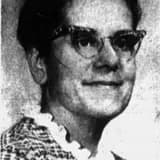
Emma Bailey is accepted as the first female member of the National Auctioneers Association, breaking the gender barrier in the profession.
In 1952, after establishing herself through regular sales at the Bailey Auction Barn in Vermont, Emma Bailey applied for membership in the National Auctioneers Association (NAA), the leading professional organization for auctioneers in the United States. That year she was accepted as the Association’s first female member, breaking a formal barrier in a field that had been institutionally and culturally male‑dominated.
The exact day of her acceptance is not documented in surviving public sources, but contemporary and retrospective accounts agree on the year and her status as a genuine "first." Her admission came just three years after the NAA’s founding, at a moment when many professional bodies either excluded women outright or discouraged their participation through informal norms. Bailey’s successful application required her to be taken seriously as a professional colleague—someone whose skill, integrity, and business practice met the standards of an organization built around male networks.
Becoming the first female NAA member had practical and symbolic consequences. Practically, it gave Bailey access to industry information, peer connections, and credibility that could support her business and help normalize women’s presence at the auction block. Symbolically, it signaled to other aspiring women auctioneers that national recognition was possible, even if local prejudice persisted. Her membership is now cited in industry histories and women’s‑history compilations as a landmark in the professional integration of women into auctioneering and as part of the broader mid‑century movement that slowly opened trade and business associations to women across the United States.