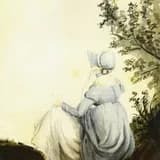
By early 1787, young Jane Austen began composing her juvenilia—short plays, parodies, and stories—marking the start of her surviving literary output.
Around 1787, a teenage Jane Austen began producing what scholars now call her juvenilia: short comic plays, parodic stories, and burlesque narratives written largely for the amusement of her family.
These early works, later compiled into three notebooks ('Volume the First,' 'Volume the Second,' and 'Volume the Third'), reveal a startlingly precocious wit and a sharp satirical eye trained on the sentimental novels and conduct literature popular at the time. Works composed during this phase include early drafts of pieces like Love and Freindship and The History of England.
This period is historically significant because it represents the genesis of Austen's authorial voice—her irony, her parody of literary conventions, and her interest in social behavior—all developed years before her mature novels. It also illustrates how, lacking formal schooling, Austen essentially educated herself as a writer through play, family performance, and voracious reading in her father's library.
The survival of these manuscripts, preserved by her family, allows modern scholars unique insight into the development of one of literature's greatest satirists from childhood experimentation to professional authorship.