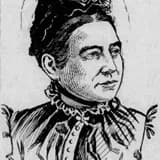
Beasley received her first U.S. patent for a machine that manufactured wooden barrels, launching her career as a professional inventor.
In 1878, Maria E. Beasley secured her first U.S. patent for a barrel-making machine, a mechanized device designed to streamline the production of wooden barrels, which were essential shipping and storage containers in 19th-century commerce. At a time when few women held any patents at all, Beasley's entry into industrial machinery design was itself a quiet act of defiance against rigid gender expectations that confined women to domestic or textile-related trades.
The barrel-making machine proved to be more than a technical curiosity; it became a genuine commercial success. Accounts describe Beasley earning substantial royalties and licensing fees from the invention, reportedly generating tens of thousands of dollars in income over subsequent years — an extraordinary sum for any inventor of the era, let alone a woman navigating a patent system and manufacturing world dominated almost entirely by men.
This early success gave Beasley both the financial independence and the credibility to pursue further inventions across a remarkably diverse range of fields, from maritime safety equipment to household devices and rail safety mechanisms. It also established a pattern that would define her career: identifying practical, everyday problems in industry and manufacturing, then engineering efficient mechanical solutions. Her barrel-making patent is frequently cited by historians of women's innovation as the foundation stone of a prolific inventing career that would eventually encompass at least fifteen U.S. patents.