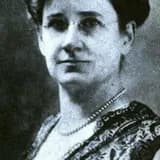
King won Crown v. Nye in 1923, becoming the first woman to win a case before the U.S. Supreme Court.
In 1923, Florence King achieved what may be her most historically significant distinction: becoming the first woman to win a case before the United States Supreme Court. The case, known as Crown v. Nye, followed her groundbreaking oral argument before the Court the previous year, making her not just a participant in the Court's proceedings but a victorious advocate.
This victory was remarkable on multiple levels. It came at a time when women lawyers were exceedingly rare, and successful advocacy before the nation's highest court was an achievement that eluded even many accomplished male attorneys throughout their careers. For King to both argue and win a patent case before the Supreme Court represented a doubly significant breakthrough, demonstrating that women could not only enter the courtroom but prevail in it, even in the highly technical domain of patent law.
While the precise date of the Court's decision is not recorded in the sources available, 1923 stands as the year of this historic win. King's success in Crown v. Nye is frequently cited alongside her other career milestones, including her 1897 registration before the Patent Office and her 1922 Supreme Court argument, as evidence of a career defined by successive barrier-breaking achievements. Her legacy endures in histories of women in intellectual property law, even as some later scholarship has sought to clarify and correct competing claims about "firsts" attributed to various pioneering women attorneys of her era.