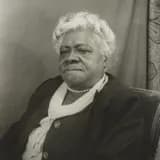
Bethune was elected president of the National Association of Colored Women’s Clubs in 1924, expanding her national leadership role.
In 1924, Mary McLeod Bethune was elected president of the National Association of Colored Women’s Clubs. That position placed her at the helm of one of the most important Black women’s organizations in the country, giving her a national platform to advocate for education, civic participation, and racial uplift.
Her election was historically important because Black women’s clubs were among the few organized spaces where African American women could build political power despite exclusion from mainstream institutions. Through the NACWC, Bethune was able to advance a vision of social change grounded in education, moral leadership, and collective action. Her leadership reflected a broader movement of Black women’s activism that linked local club work to national reform.
As president, Bethune’s prominence increased substantially, and the role helped establish her as a major national spokesperson on issues affecting Black women and children. In a period when women were still battling for full political recognition and Black citizens were confronting intensified segregation, her election signaled the growing authority of Black women organizers in American public life.