1865
Politics
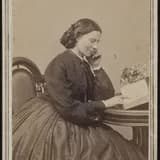
Authorized to search for missing soldiers
Lincoln authorized Barton to search for missing soldiers, leading to the Missing Soldiers Office and a major postwar humanitarian record-keeping effort.
View details39 indexed achievements across recorded history.
Lincoln authorized Barton to search for missing soldiers, leading to the Missing Soldiers Office and a major postwar humanitarian record-keeping effort.
View details
Comstock Act makes abortion‑related medications and obstetrical supplies non‑mailable, threatening providers with multi‑year prison terms.
View detailsComstock Act makes mailing or importing contraception and abortion‑related devices and information a federal crime by defining them as “obscene.”
View detailsComstock Act sets penalties of up to five years’ hard‑labor imprisonment and $2,000 fines for mailing prohibited “obscene” or abortion‑related materials.
View detailsFederal Comstock Act inspires state and local “little Comstock” laws that replicate bans on contraception, abortion‑related items, and sexual materials.
View detailsComstock Act’s enactment initiates a long, national struggle over reproductive rights and privacy, profoundly impacting women’s access to care.
View detailsComstock Act extends federal obscenity regulation into Americans’ sexual and reproductive lives amid contests over suffrage, immigration, and birth rates.
View detailsU.S. Congress passes the Comstock Act, criminalizing mailed “obscene” matter, including contraceptive and abortion‑related items and information.
View detailsPresident Ulysses S. Grant signs the Comstock Act, the first federal law banning mailing contraceptives and abortion drugs as “obscene.”
View detailsComstock Act becomes the first federal obscenity law to explicitly include contraception‑ and abortion‑related writings and devices.
View detailsComstock Act grants postal officials broad powers to search, seize, and destroy “obscene” mailed materials and prosecute senders.
View details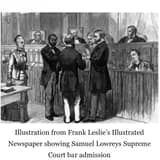
Sworn in as the first woman member of the United States Supreme Court bar, on motion of Albert G. Riddle.
View details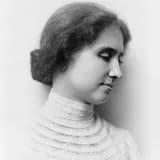
Anne Sullivan arrives in Tuscumbia on March 3, 1887, beginning Helen Keller’s formal education.
View details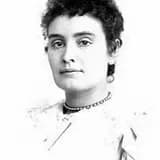
Anne Sullivan started teaching Helen Keller in Tuscumbia, Alabama.
View details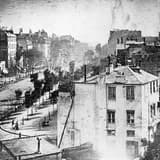
Grace Lumpkin was born on March 3, 1891, in Milledgeville, Georgia.
View details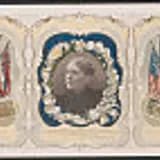
A statue of Willard by sculptor Helen Farnsworth Mears was placed in the U.S. Capitol's National Statuary Hall Collection, a first for a woman.
View details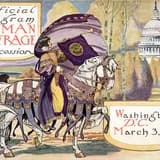
First civil rights march begins on March 3, 1913, at 3:00 p.m.
View detailsMarch 3, 1913 procession inspired regional parades nationwide.
View detailsThe 1913 march marked the beginning of the final suffrage campaign phase.
View details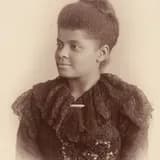
On March 3, 1913, Wells-Barnett marched in Washington, D.C.'s suffrage parade, defying segregation demands.
View detailsMarch 3, 1913, procession established D.C. as a venue for large protests.
View detailsThe March 3, 1913 procession reignited the federal suffrage amendment campaign.
View detailsMarch 3, 1913, procession violence leads to injuries and a congressional investigation.
View detailsAbout 5,000 women marched in D.C. on March 3, 1913.
View detailsOn March 3, 1913, the Woman Suffrage Procession took place in Washington, D.C., demonstrating for a federal suffrage amendment.
View detailsThe Woman Suffrage Procession on March 3, 1913, was the first suffragist parade in the capital.
View detailsOn March 3, 1913, this event marked the first large-scale civil rights demonstration in the capital.
View detailsThe march on March 3, 1913, was the first large, organized political march in D.C.
View details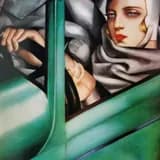
Tamara married Tadeusz Łempicki, a young Polish lawyer, in 1916.
View details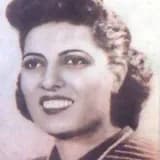
Sameera Moussa was born on March 3, 1917, in a village in the Gharbia Governorate of Egypt.
View details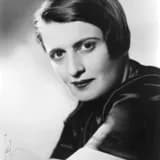
Officially naturalized as a citizen of the United States, completing her transition from Soviet émigré to American writer.
View details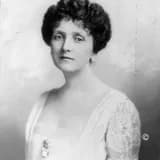
Emily Post initiated a Bell Telephone-sponsored radio show on March 3, 1946.
View details
Jacqueline Joyner (later Jackie Joyner-Kersee) is born in East St. Louis, Illinois, U.S., to Mary and Alfred Joyner.
View details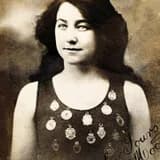
Belle Moore passed away on March 3, 1975, in Yonkers, New York.
View details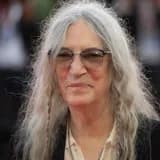
Released *Easter* album with "Because the Night" on March 3, 1978.
View details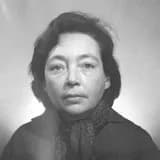
Marguerite Duras passed away on March 3, 1996, in Paris, France.
View details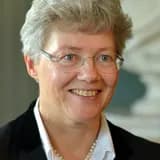
Anne L'Huillier received the L'Oréal–UNESCO For Women in Science Award (European Laureate) in Paris for her attosecond physics research.
View details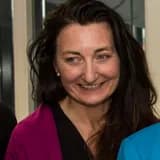
Perl-UNC Neuroscience Prize ceremony at UNC Chapel Hill honoring May-Britt and Edvard Moser for their discovery of grid cells.
View detailsAnne L'Huillier was co-awarded the 2022 Wolf Prize in Physics for pioneering contributions to attosecond science and strong-field laser physics.
View details