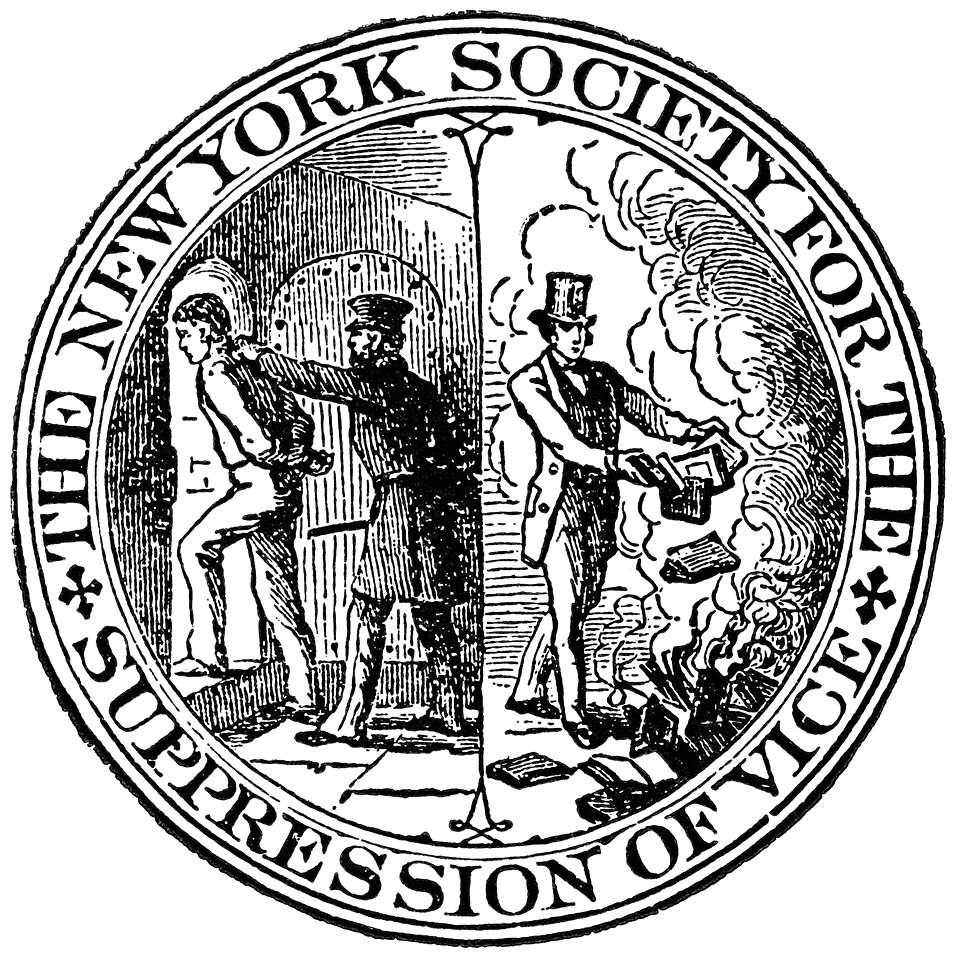
U.S. Congress passes the Comstock Act, criminalizing mailed “obscene” matter, including contraceptive and abortion‑related items and information.
On 3 March 1873, the U.S. Congress enacted "An Act for the Suppression of Trade in, and Circulation of, Obscene Literature and Articles of Immoral Use," soon known as the Comstock Act. This federal statute, championed by anti‑vice crusader Anthony Comstock, criminalized using the postal system to convey material deemed "obscene," including sexual imagery, erotic literature, and—crucially—items and information related to contraception and abortion.
The law emerged from Victorian anxieties about changing gender roles, urbanization, and perceived threats to public morality. By targeting reproductive information and technologies alongside pornography, it fused moral regulation with control over women’s bodies and families’ private decisions. The Act’s passage marked the first time Congress comprehensively addressed "obscenity" in the mails and explicitly folded reproductive materials into that category, setting a powerful precedent for federal involvement in intimate life.
Historically, this event reshaped the legal landscape for sexual expression and reproductive health. Women reformers, physicians, and birth‑control advocates now faced criminal penalties simply for circulating information by mail. The Act catalyzed decades of legal struggle, informing later constitutional debates over free speech, privacy, and reproductive autonomy. Its endurance on the statute books, even after many provisions were narrowed, underscores how this 1873 decision continues to haunt reproductive and civil‑liberties jurisprudence.
Images