← All women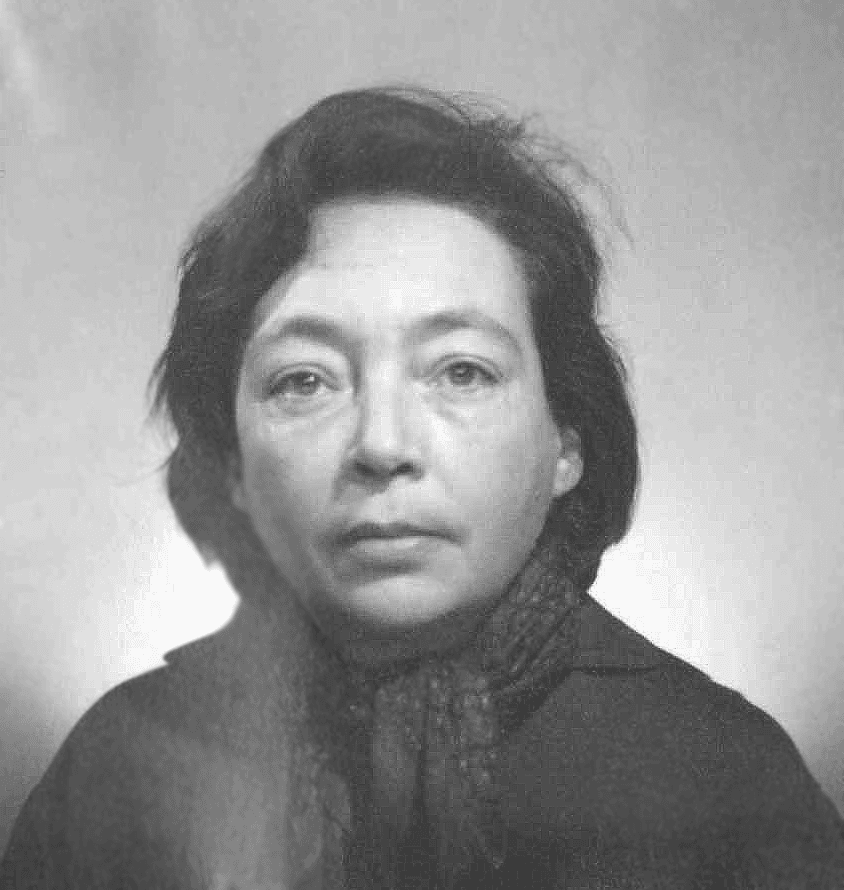
French · Literature · Arts
Marguerite Duras
April 4, 1914 – March 3, 1996
Early Life and Background
Marguerite Duras was born on April 4, 1914, in Gia Định, French Indochina (now Vietnam). She was born to Emile Donnadieu and Marie Legrand, educators who had moved to Indochina in hopes of teaching. Her father died when she was young, and she grew up in poverty with her mother and siblings. Her upbringing in the colonial context heavily influenced her later works. At 17, she moved to France to study law and political science, where she embraced the vibrant intellectual scene of Paris.
Career Beginnings and Development
Duras began her literary career during World War II while working in the French ministry. Her first novel, 'Les Impudents', was published in 1943. It was followed by more than 40 novels, plays, films, interviews, and short stories. Many of her works reflect autobiographical elements drawn from her childhood and her life in both Vietnam and France.
Major Works, Discoveries, or Accomplishments
Duras is best known for her semi-autobiographical novel 'L'Amant' ('The Lover'), published in 1984. The novel, which won the Prix Goncourt, is a poignant tale of a young girl's illicit affair in colonial Vietnam. Another notable work includes the screenplay for 'Hiroshima Mon Amour', a groundbreaking film of the French New Wave, emphasizing her versatility as a writer and filmmaker.
Awards, Honors, and Recognition
Her work on 'The Lover' won her the Prix Goncourt, one of France's most prestigious literary awards. Duras was a prominent figure in the world of art and literature who had a profound influence on contemporary thought and feminist theory.
Personal Life
Duras's personal life was as tumultuous as her novels. She married the writer Robert Antelme, from whom she later separated. Her romantic life was complex, marked by several high-profile relationships, most notably with Yann Andréa, who was significantly younger.
Legacy and Historical Impact
Duras's contributions to literature and film highlight issues of gender and colonialism, mapping the intersections of personal and political life. Her distinctive voice and narrative style have influenced a wide array of authors, filmmakers, and readers worldwide. 'The Lover' has been translated into numerous languages and adapted into a film, ensuring her legacy across different media.
Later Life and Death
Marguerite Duras continued to write and publish until her later years, steadfast in her commitment to storytelling despite declining health. She passed away on March 3, 1996, in Paris, leaving behind a significant canon of work that continues to be celebrated and studied for its insightful and evocative portrayal of the human condition.
Dated achievements
2 indexed.
- Apr041914Literature
Birth of Marguerite Duras
Marguerite Duras was born on April 4, 1914, in Gia Định, French Indochina.
View details Marguerite Duras - French Wikipedia - Mar031996Literature
Death of Marguerite Duras
Marguerite Duras passed away on March 3, 1996, in Paris, France.
View details