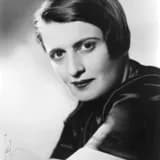
Officially naturalized as a citizen of the United States, completing her transition from Soviet émigré to American writer.
On March 3, 1931, Ayn Rand formally became a naturalized citizen of the United States. This event was the culmination of a process that began with her 1926 arrival in New York and continued through her 1929 marriage to Frank O'Connor and subsequent grant of permanent residency.
Citizenship was of profound personal and symbolic importance to Rand. Having fled the totalitarian collectivism of the Soviet Union, she viewed the United States as the embodiment of individual rights, free enterprise, and rational self-interest — themes that would become the philosophical bedrock of her later novels and her philosophy of Objectivism. Becoming an American citizen was, for her, not merely a legal formality but an ideological homecoming.
With her citizenship secured, Rand was able to pursue her writing career with greater stability, going on to sell her first screenplay the following year and publish her first novel, We the Living, in 1936. Her identity as an immigrant who chose America, and who became one of its most vigorous defenders of capitalism, remains central to her enduring legacy and to the reception — both laudatory and critical — of her ideas in American political and cultural discourse.