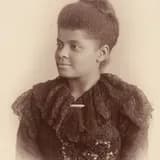
On March 3, 1913, Wells-Barnett marched in Washington, D.C.'s suffrage parade, defying segregation demands.
On March 3, 1913, Ida B. Wells-Barnett defied segregationist pressures during the Woman Suffrage Procession in Washington, D.C., which was organized by Alice Paul and others. She was initially told to march at the rear with other African American women, but instead, she boldly joined the Illinois delegation mid-parade. This act of resistance within a movement itself highlighted the intersecting challenges Wells faced as a Black woman advocating for equal rights. Her presence underscored the vital but often overlooked contributions of Black women to the suffrage movement, emphasizing the intersectional approach Wells maintained in addressing both racial and gender injustices.