← All women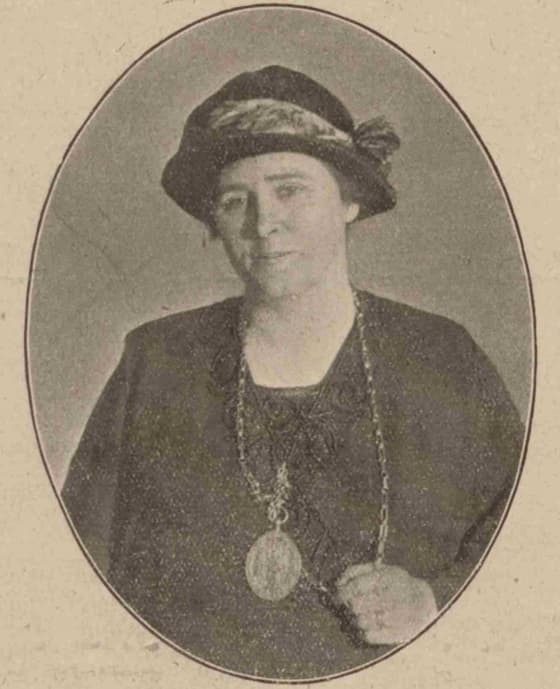
Scottish · Politics · Activism
Mary Barbour
February 22, 1875 – April 2, 1958
Early Life and Background
Mary Barbour was born on February 22, 1875, in Kilbarchan, Renfrewshire, Scotland. She grew up in a working-class family and was deeply influenced by the social and economic conditions around her. Barbour received limited formal education but was self-taught and highly motivated by a sense of social justice. She married David Barbour, a stonemason, and moved to Govan, Glasgow, where she became immersed in the community life that fueled her future activism.
Career Beginnings and Development
Barbour's activism was initially influenced by her involvement with local coop organizations and the Independent Labour Party. The deteriorating housing conditions and exploitative rent practices in Glasgow, especially during World War I, spurred her into more direct action.
Major Works and Accomplishments
Barbour is best known for her extraordinary leadership during the Glasgow rent strikes of 1915. As rents soared due to the housing shortage, she co-founded the South Govan Women's Housing Association, organizing protests and effectively challenging landlords. This movement became a significant catalyst for the introduction of the Rent Restriction Act, which temporarily froze rents during wartime.
Her activism extended to politics when she was elected to the Glasgow Town Council in 1920. Barbour was one of the first women to hold such a position, where she championed social welfare, women's rights, and educational reform.
Personal Life
Mary was married to David Barbour, with whom she had two sons. Her family life was supportive and integrally connected to her activism. The Barbours were part of a community deeply involved in social causes, influencing their children to also engage in public service.
Legacy and Historical Impact
Mary Barbour's legacy is cemented in Scottish history as a tenacious advocate for social justice and women's rights. Her work laid the groundwork for housing reform and demonstrated the power of women's organized movements. She is remembered for her resilience and ability to mobilize the community against systemic injustices.
Later Life and Death
After her tenure on the Glasgow Council, Barbour continued to be active in her community. She was involved in initiatives supporting veterans and promoting public health. Mary Barbour passed away on April 2, 1958. Her contributions have been celebrated, including by the erection of a statue in Govan, Glasgow, in 2018, commemorating her pivotal role in history.
Dated achievements
5 indexed.
- Feb151875Activism
Born in Kilbarchan, Renfrewshire
Mary Rough was born on 15 February 1875 in Kilbarchan, Renfrewshire, Scotland, the daughter of a carpet weaver.
View details Mary Barbour - Wikipedia - May171915Activism
Led formation of the South Govan Women's Housing Association
Barbour helped found the South Govan Women's Housing Association to organise tenants against wartime rent increases in Glasgow.