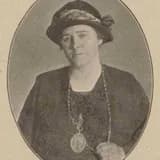
Mary Barbour died on 2 April 1958 in Glasgow, aged 83, having spent her life fighting for tenants' and women's rights.
Mary Barbour died on 2 April 1958 at her home in Glasgow, at the age of 83. By the time of her death, she had lived through profound social transformations that her own activism had helped bring about, including tenant protections, expanded municipal welfare services, and greater political representation for women.
Her death came decades before her contributions received wider public recognition. For much of the later twentieth century, her role in the 1915 Rent Strikes and subsequent civic reforms was underappreciated in mainstream historical narratives, overshadowed by accounts focused on male labour leaders of the Red Clydeside period such as John Maclean and James Maxton.
This changed with a renewed public and academic interest in women's labour history from the 1990s onward. In 2018, a bronze statue of Barbour, titled 'Mrs Barbour's Army,' was unveiled in Govan, Glasgow—the first statue in the city dedicated to a named, non-royal woman for civic achievement, funded through public donations and community fundraising by the Remember Mary Barbour Association.
Her legacy endures as a symbol of grassroots women's activism, tenant rights, and community organising, and she is now widely commemorated in Scottish political and feminist history as a pioneering figure of Red Clydeside.