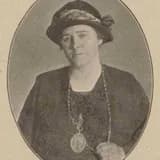
Barbour helped found the South Govan Women's Housing Association to organise tenants against wartime rent increases in Glasgow.
In early 1915, as landlords in Glasgow sought to exploit wartime housing shortages by raising rents on tenement dwellers—many of whom were the wives of soldiers serving in the First World War or munitions workers—Mary Barbour organised her neighbours in Govan into the South Govan Women's Housing Association.
The association became the organisational backbone of what would grow into the famous Glasgow Rent Strikes of 1915. Barbour and her fellow organisers went door-to-door, building a network of women prepared to resist eviction and non-payment enforcement by landlords' factors (agents). They developed tactics including posting lookouts, ringing bells, and banging pots and pans to summon crowds of women to physically block bailiffs and sheriff officers from removing tenants' furniture or serving eviction notices.
This grassroots mobilisation was significant because it represented working-class women—often dismissed from formal political and economic power—taking direct, organised collective action against wealthy property owners. It became a model replicated across Glasgow and other British cities including London, Birmingham, and Aberdeen.
The Association's efforts culminated in the passage of the Rent Restriction Act 1915, a major legislative victory that froze rents at pre-war levels for the duration of the conflict, protecting thousands of working-class families.