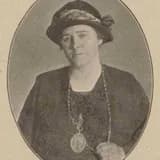
Barbour led thousands of tenants and shipyard/munitions workers in a mass march that forced the government to pass rent-control legislation.
By autumn 1915, the rent strike movement Mary Barbour had helped found had grown into a mass campaign involving over 20,000 tenants across Glasgow. When landlords attempted to prosecute tenants who withheld rent increases, Barbour organised and led a large demonstration in Glasgow, mobilising the 'Mrs Barbour's Army'—a force of women, supported by shipyard and munitions workers who threatened strike action in solidarity.
On the day the rent strike defaulters were due in court, Barbour led thousands of demonstrators to the courts and civic buildings in Glasgow, overwhelming the authorities. The scale of the protest, combined with the threat of industrial action from male workers vital to the war effort, put irresistible pressure on the Liberal government of the day.
The direct result was the rapid passage of the Rent Restriction Act (Increase of Rent and Mortgage Interest (War Restrictions) Act 1915), enacted in December 1915, which froze rents at their pre-war level. This was a landmark victory demonstrating the political power of organised working-class women acting outside formal parliamentary channels, at a time when women in Britain did not yet have the right to vote.
The campaign's success established Barbour as one of the most significant grassroots labour leaders of the Red Clydeside era and set a template for later tenant rights movements worldwide.