← All women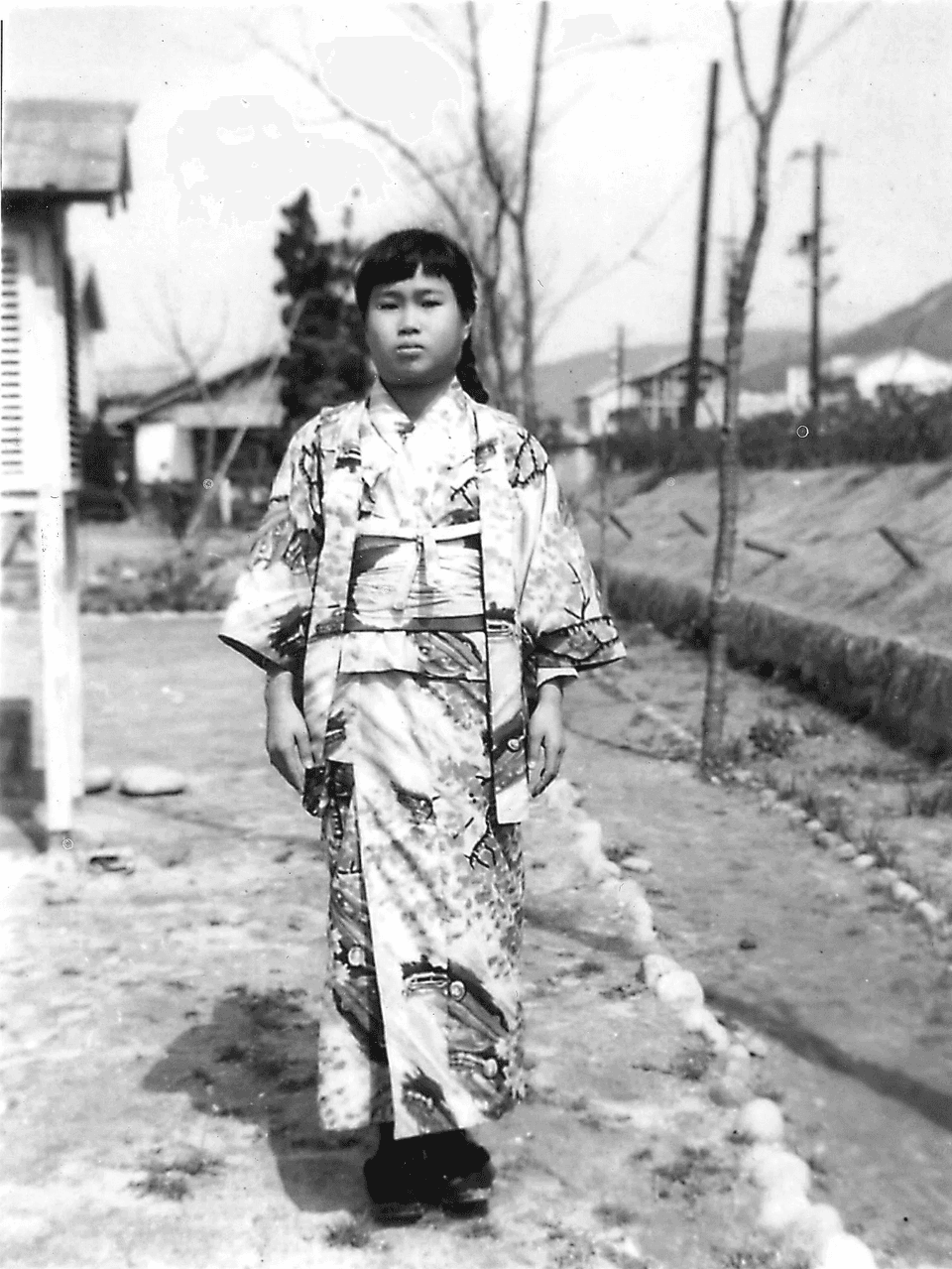
Japanese · Activism
Sadako Sasaki
January 7, 1943 – October 25, 1955
Early Life and Background
Born on January 7, 1943, in Hiroshima, Japan, Sadako Sasaki was part of a large family with three brothers and a sister. Her life changed irrevocably at the age of two when, on August 6, 1945, the city was devastated by the atomic bomb dropped by American forces during World War II.
Surviving the Atomic Bomb
Though relatively unscathed initially, Sadako and her family lived through the aftermath of the bombing, facing dire conditions and witnessing the decimation of their community. Radiation exposure from the atomic blast would later lead to her developing health issues.
The Development of Illness
In late 1954, Sadako began experiencing symptoms, and by February 1955, she was diagnosed with leukemia, often referred to as the 'atomic bomb disease.' It was an affliction many Hibakusha (atomic bomb survivors) suffered due to radiation exposure.
Folding Origami Cranes
During her illness, Sadako began folding paper cranes inspired by the Japanese legend that promises a wish is granted to anyone who folds a thousand. Her endeavor was both a personal act of hope and a poignant call for peace.
Sadako's Death and Legacy
On October 25, 1955, Sadako succumbed to her illness at the age of twelve, having folded 644 cranes. After her death, her classmates completed the remaining cranes to make a thousand.
Global Impact and Peace Movement
Sadako's story garnered international attention and became a powerful symbol for the peace movement. The Hiroshima Peace Memorial Park features the Children's Peace Monument, honoring Sadako and other child victims of the atomic bombings. Schoolchildren from all over the world send paper cranes to be placed at the monument as a gesture of peace and remembrance.
Continuing Influence
The narrative of her life and untimely death has been retold in books like "Sadako and the Thousand Paper Cranes," which brought even more awareness to her story. Her legacy influenced global peace initiatives and educational programs advocating for nuclear disarmament. Sadako’s cranes have become a global symbol of peace and the enduring human spirit.
Dated achievements
4 indexed.
- Jan071943Science
Birth of Sadako Sasaki in Hiroshima
Sadako Sasaki was born in Hiroshima, Japan, on January 7, 1943, two years before the atomic bombing that would ultimately claim her life.
View details Sadako Sasaki - Wikipedia - Aug061945Science
Survives the atomic bombing of Hiroshima at age two
On August 6, 1945, two-year-old Sadako was at home about 1.7 km from the hypocenter when the atomic bomb was dropped on Hiroshima; she survived without visible injury.