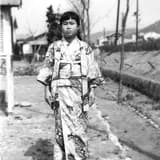
On August 6, 1945, two-year-old Sadako was at home about 1.7 km from the hypocenter when the atomic bomb was dropped on Hiroshima; she survived without visible injury.
On the morning of August 6, 1945, the United States detonated an atomic bomb over Hiroshima, instantly killing tens of thousands of people and injuring many more. Sadako Sasaki, then two years old, was at her family's home in the Kusunoki-cho district, approximately 1.7 kilometers from the hypocenter of the blast.
The force of the explosion blew her out of the house, but remarkably she appeared to escape physical injury. Her mother rushed back into the ruins of the burning home to save her, and the family fled to safety amid the citywide devastation. Unbeknownst to the family, Sadako had been exposed to significant residual radiation, sometimes called "black rain" fallout, in the aftermath of the bombing.
For nearly a decade following the bombing, Sadako appeared to grow up as a healthy, athletic child, excelling in running and physical activities. This period underscored the insidious and delayed nature of radiation sickness, which would not manifest in her case until 1954, nearly ten years later, when she developed swollen lymph nodes that were eventually diagnosed as leukemia. Her story became one of the most cited illustrations of the long-term biological effects of nuclear weapons on survivors, particularly children who were in utero or very young at the time of exposure.