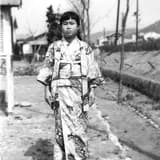
Sadako Sasaki died on October 25, 1955, at age 12 from leukemia caused by radiation exposure from the Hiroshima atomic bombing, after folding hundreds of paper cranes.
Sadako Sasaki died on October 25, 1955, at Hiroshima Red Cross Hospital, at the age of twelve. She had been diagnosed in February 1955 with acute leukemia (referred to at the time by locals as "atomic bomb disease"), a direct and delayed consequence of her radiation exposure during the atomic bombing of Hiroshima a decade earlier.
During her nearly eight months of hospitalization, Sadako became inspired by the Japanese tradition holding that folding one thousand paper cranes (senbazuru) would grant the folder a wish; she wished to recover from her illness. Using medicine wrappers and any paper she could obtain, she folded cranes with the help of family, friends, and fellow patients. Accounts vary on whether she completed one thousand cranes before her death or fell short, with her family and the Sadako Legacy organization stating she surpassed one thousand, folding as many as 1,300 before she died.
Her death made her a poignant, internationally recognized symbol of the human toll of nuclear war, especially upon children. Her classmates raised funds to build a memorial, leading to the 1958 unveiling of the Children's Peace Monument in Hiroshima Peace Memorial Park, topped with a statue of Sadako holding a golden crane. Her story, popularized internationally through Eleanor Coerr's book Sadako and the Thousand Paper Cranes, transformed the paper crane into a global symbol of peace, hope, and anti-nuclear advocacy, inspiring the continued practice of sending folded cranes to the memorial from around the world.