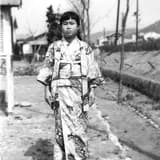
On May 5, 1958, the Children's Peace Monument, inspired by Sadako Sasaki, was unveiled in Hiroshima Peace Memorial Park, becoming a lasting global peace symbol.
On May 5, 1958 — Japan's Children's Day — the Children's Peace Monument (Genshi Bakudan no Ko no Zō) was unveiled in Hiroshima Peace Memorial Park. The statue, funded through a nationwide fundraising campaign led by Sadako Sasaki's grieving classmates and supported by students across Japan and eventually contributors worldwide, depicts a bronze figure of a young girl standing atop a granite dome, arms raised high, holding a golden paper crane above her head.
The monument was conceived directly in response to Sadako's death in 1955 and her effort to fold one thousand paper cranes while battling leukemia caused by radiation exposure from the atomic bombing. Her classmates, moved by her courage and her wish for peace, initiated the campaign that culminated in this monument, intended to memorialize not only Sadako but all child victims of the atomic bombing.
The statue's base bears the inscription: "This is our cry, this is our prayer: for building peace in the world." Since its dedication, the monument has become a pilgrimage site, receiving an estimated ten million paper cranes annually from schoolchildren, peace groups, and visitors worldwide who fold and send cranes in tribute to Sadako and in support of nuclear disarmament. It stands as one of the most enduring and widely recognized symbols of the international peace movement, cementing Sadako Sasaki's legacy well beyond Japan's borders.