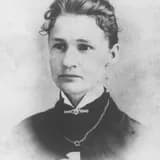
On April 4, 1887, Susanna M. Salter was elected mayor of Argonia, Kansas, becoming the first woman elected mayor of any city in the United States.
On April 4, 1887, during the first municipal election in Kansas at which women could vote, Susanna M. Salter was unexpectedly elected mayor of Argonia, Kansas, becoming the first woman elected mayor of any city in the United States. Anti‑prohibitionist men, hoping to embarrass the local Women’s Christian Temperance Union and discredit "petticoat rule," secretly placed her name on the ballot as a prank, assuming she would be overwhelmingly defeated.
Salter, a 27‑year‑old WCTU official and young mother, had not campaigned and reportedly learned of her candidacy only on election day. Once the nomination became public, prohibitionist allies and many townspeople rallied to support her, turning the attempted joke into a powerful demonstration of respect for her character and competence. She won by about a two‑thirds majority, drawing national press attention and visits from suffrage leaders who saw her victory as proof that women could win—and execute—political office.
This election marked a genuine barrier‑breaking milestone. At a time when women still lacked the right to vote in state and federal elections, Salter’s success in a Kansas farm town challenged prevailing assumptions about women’s political abilities and opened space for future candidacies. Newspapers across the country reported the story, sometimes with ridicule but often with admiration, and her name quickly entered the suffrage narrative as an early practical example of a woman exercising electoral power. The events of that day transformed a local contest into a landmark in U.S. women’s political history.