← All women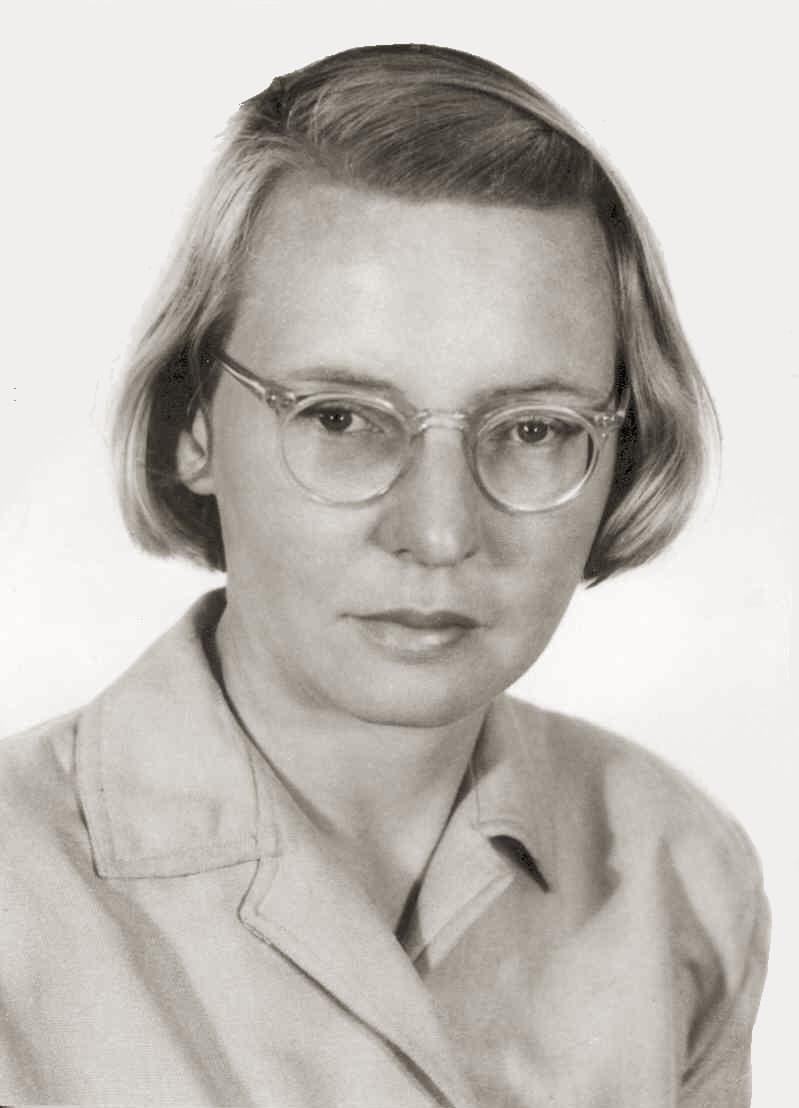
Australian · Science
Ruby Payne-Scott
May 28, 1912 – May 25, 1981
Early Life and Background
Ruby Violet Payne-Scott was born on May 28, 1912, in Grafton, New South Wales, Australia. Her early life was marked by an ambition for learning and exploration, fostered by a supportive family environment. Ruby excelled in her studies from a young age, culminating in a Bachelor of Science with first-class honors in physics from the University of Sydney in 1933. She continued her education with a graduate diploma in education, reflecting her interest in both scientific inquiry and teaching.
Career Beginnings and Development
Payne-Scott's professional journey began in the mid-1930s when she worked at the Cancer Research Institute at Sydney University. However, her interest soon shifted towards radio physics, leading her to join the Radiophysics Laboratory of the Commonwealth Scientific and Industrial Research Organisation (CSIRO) in 1941. Here, she became deeply involved in radar development during World War II. Her work significantly contributed to the war effort, and it was during this time that she developed a keen interest in radio astronomy.
Major Works, Discoveries, or Accomplishments
Ruby Payne-Scott is best known for her pioneering work in radio astronomy, particularly her innovative methods for studying solar emissions. She was instrumental in developing techniques to observe solar radio bursts and was part of the team that produced the first radio maps of the sun in the late 1940s. Her work laid the foundations for much of the modern understanding of solar physics and radio astronomy.
Awards, Honors, and Recognition
Despite facing considerable gender discrimination—including losing her job after her marriage due to policies against married women working—Payne-Scott's contributions have been posthumously recognized. In recent years, she has been celebrated for her pioneering efforts, inspiring many women in science.
Personal Life
In 1944, Payne-Scott secretly married Bill Hall because the societal norms and workplace policies of the time prohibited married women from holding permanent positions. They had two children, and her career was significantly impacted by these policies, prompting her to leave CSIRO in the early 1950s.
Legacy and Historical Impact
Ruby Payne-Scott's legacy is profound; she was a trailblazer who broke gender barriers in the field of radio astronomy. Her work helped to set the foundation for future discoveries and innovations in the field, and she remains a prominent figure in the history of science. Institutions and awards have been named in her honor, serving as a testament to her enduring impact.
Later Life and Death
After leaving CSIRO, Payne-Scott focused on raising her family and later returned to teaching, influencing a new generation of students. She passed away on May 25, 1981, leaving behind a legacy of scientific inquiry and the advancement of women in scientific fields.
Dated achievements
3 indexed.
- May281912Science
Birth of Ruby Payne-Scott
Ruby Violet Payne-Scott was born in Grafton, New South Wales, Australia.
View details Ruby Payne-Scott - Wikipedia - Mar051944Science
Detects first solar radio burst evidence with CSIR radiophysics team
Payne-Scott's observations of solar radio bursts in 1944 laid groundwork for the new field of radio astronomy in Australia.