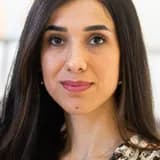
After escaping ISIS captivity around November 2014, Nadia Murad begins publicly advocating for Yazidi survivors.
In November 2014, after approximately three months in captivity, Nadia Murad escaped from the so‑called Islamic State, which had abducted her during its August 2014 attack on the Yazidi village of Kojo in northern Iraq. Sources describe her escape as occurring after a captor left a door unlocked, allowing her to flee and eventually reach safety in the Kurdistan region.
The BBC and other outlets note that Murad "became an activist… after escaping in November 2014," marking this period as a decisive turning point from private survivor to public figure. She soon began sharing her story with journalists, human‑rights organizations, and eventually international institutions, including testifying about the Yazidi genocide and conflict‑related sexual violence.
This escape was historically significant because it created the conditions for one of the most influential survivor‑led campaigns of the twenty‑first century. Murad confronted enormous personal and cultural barriers: deep stigma surrounding sexual violence, fear of retaliation from ISIS, and the trauma of losing most of her family. By choosing publicity over silence, she helped redefine expectations of survivors’ roles in international justice efforts. Her early testimony contributed to growing recognition of ISIS’s actions against the Yazidis as genocide and spurred calls for investigations, documentation, and eventual prosecutions of sexual violence as an international crime.