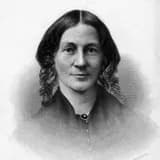
Myrtilla Miner died on December 17, 1864, in Washington, D.C., from injuries sustained in a carriage accident, before seeing the end of slavery.
Myrtilla Miner died on December 17, 1864, in Washington, D.C. Her health, always fragile, had been further undermined by years of overwork, stress from repeated threats and attacks against her school, and a serious carriage accident she suffered in 1860 while traveling in California, from which she never fully recovered.
She died just months before the ratification of the Thirteenth Amendment abolishing slavery throughout the United States in December 1865, and before witnessing the full flourishing of the institution she had founded. Her death came during the Civil War, a conflict whose outcome would vindicate much of her life's work by ending legal slavery and opening new possibilities for Black education across the reunified nation.
Miner's passing was mourned by the abolitionist community, and her memory was preserved through the efforts of her friend and biographer Ellen M. O'Connor, who published a memoir of her life in 1885 titled Myrtilla Miner: A Memoir, ensuring that her contributions to Black education were not forgotten.
The school she founded continued after her death, eventually receiving a congressional charter and evolving through several institutional transformations. It became Miner Normal School, then Miner Teachers College, and ultimately merged into what is today the University of the District of Columbia, a lasting legacy that stands as a direct continuation of Miner's pioneering vision for Black women's education in the nation's capital.