← All women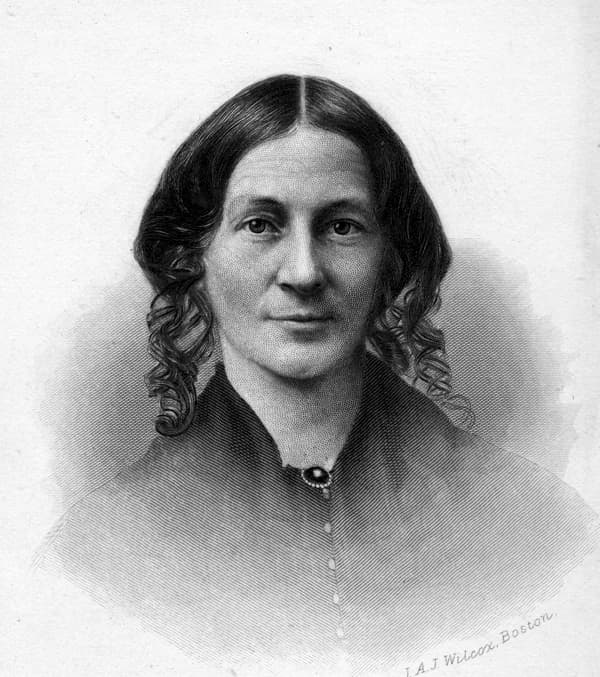
American · Activism
Myrtilla Miner
March 4, 1815 – December 17, 1864
Early Life and Background
Myrtilla Miner was born on March 4, 1815, in Brookfield, New York, into a farming family. This rural upbringing imparted a strong work ethic and a commitment to social justice which would later define her life work. Miner pursued her own education, often working as a teacher to support her studies, an experience that highlighted the disparities in educational opportunities available to different social groups.
Career Beginnings and Development
After completing her education, Miner began her teaching career in various locations including New York and Mississippi. It was during her time in Mississippi that she became deeply aware of the systemic inequalities faced by African-Americans, particularly regarding education. This experience motivated her to focus on educational reform for African-Americans, specifically females.
Major Works and Accomplishments
In 1851, Miner founded the Normal School for Colored Girls in Washington, D.C., with the goal of providing teacher training to African-American women. Her school's presence challenged social norms and was often met with resistance and even violence. Miner faced numerous challenges including financial difficulties and societal opposition, but her persistence led her institution to become a foundational model for later African-American educational institutions.
Personal Life
Myrtilla Miner remained unmarried throughout her life, dedicating her personal energies wholly to her educational mission. Her personal life was intertwined with her activism, and she worked closely with other abolitionists such as Harriet Beecher Stowe, who supported her educational initiatives.
Legacy and Historical Impact
Myrtilla Miner’s legacy is reflected in the eventual establishment of the University of the District of Columbia, which absorbed her initial school. Her work showed that with determination, societal expectations could be reshaped, laying groundwork for future civil rights advancements. Current educational reforms in terms of inclusivity and diversity can trace ideological roots back to pioneers like Miner.
Later Life and Death
Miner continued to advocate for education and abolition until her health declined. She passed away on December 17, 1864, but left an indelible impact on the educational landscape of the United States. Her efforts for equality and access to education remain a source of inspiration for educational reformers.
Dated achievements
3 indexed.
- Mar041815Activism
Birth of Myrtilla Miner
Myrtilla Miner was born in Brookfield, New York, on March 4, 1815, to a farming family of modest means.
View details Myrtilla Miner - Wikipedia - Dec061851Activism
Founded the Normal School for Colored Girls in Washington, D.C.
Miner opened a school in Washington, D.C. to train free Black women as teachers, one of the first institutions of its kind in the slaveholding capital.