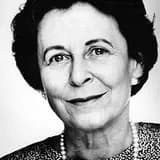
Died in Washington, D.C., ending a career that helped define modern American editorial journalism.
On May 13, 1999, Meg Greenfield died in Washington, D.C., at age 68 after a career that had made her one of the most influential editorial voices in American journalism. Contemporary obituaries described her as a shaping force on The Washington Post editorial page and noted the breadth of her influence across decades of public-policy debate.
Her death marked the end of a remarkable professional life that spanned The Reporter, The Washington Post, and Newsweek. Over the course of that career, she became known for an editorial style that mixed wit with disciplined analysis, especially on civil rights, social policy, and the workings of government. At a time when women still faced significant barriers to reaching positions of public authority in journalism, Greenfield built an extraordinary career inside the mainstream national press and earned the trust of both editors and readers.
Her passing also highlighted the institutional legacy she left behind. Greenfield had helped define the modern editorial page as a place for serious, argument-driven commentary that could influence public understanding without sacrificing intellectual independence. The date of her death is therefore not only a biographical endpoint but a reminder of the long arc of change she witnessed—and helped create—in the profession of journalism and in the public role of women writers.