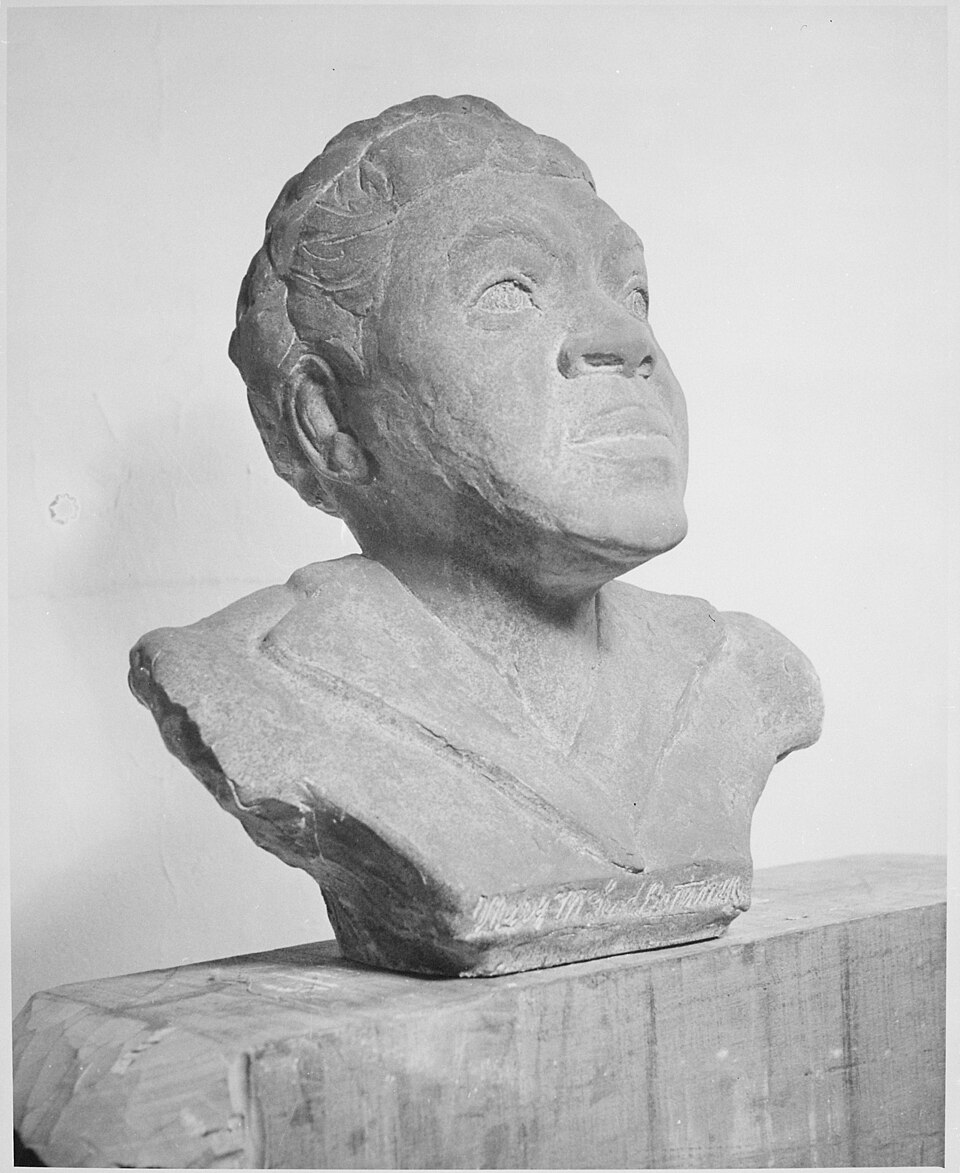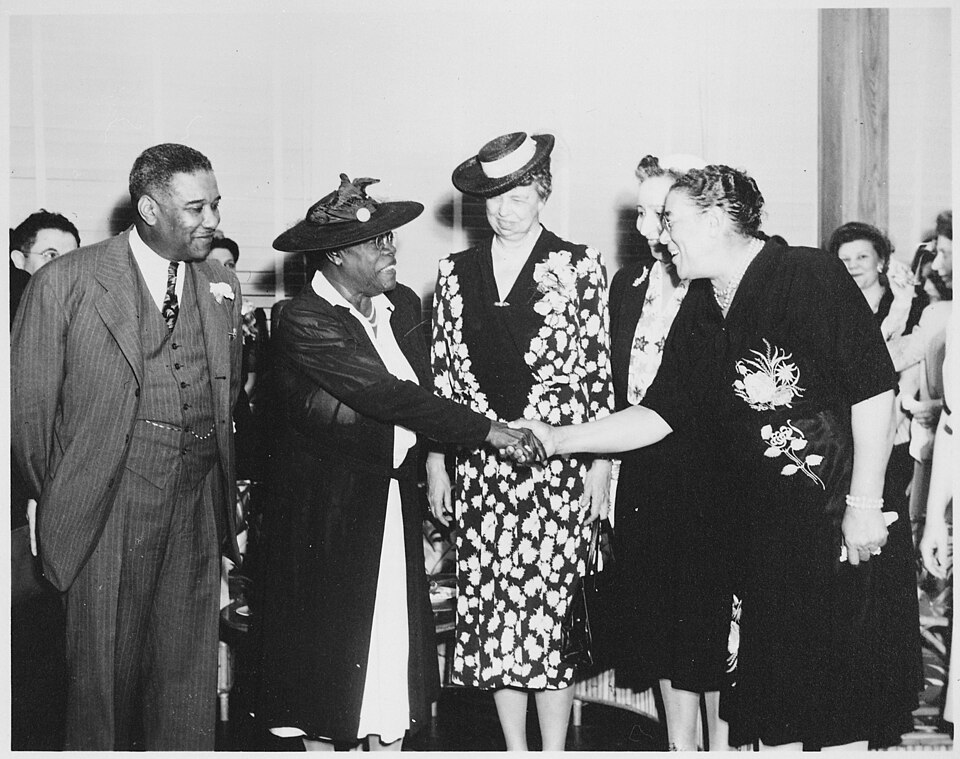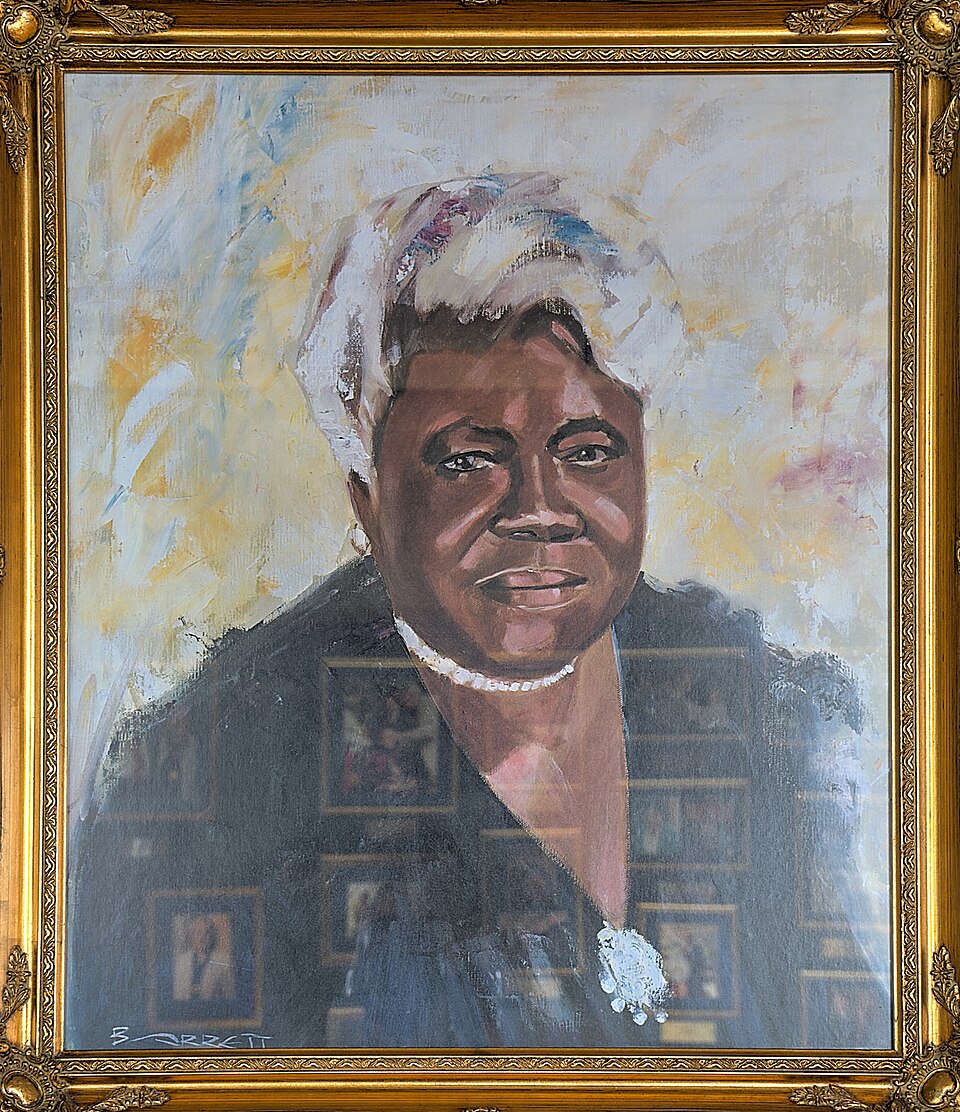
Mary McLeod Bethune was born near Mayesville, South Carolina, on July 10, 1875, into a family of formerly enslaved parents.
Mary McLeod Bethune was born on July 10, 1875, near Mayesville, South Carolina, the fifteenth of seventeen children of formerly enslaved parents. Her birth came in the aftermath of the Civil War, during a period when Black families in the rural South faced crushing poverty, limited schooling, and racial violence. In that environment, the path she would later carve as an educator and organizer was exceptional.
Her early life shaped the central conviction that guided her career: education was the route to dignity, opportunity, and political power. Bethune’s childhood also reflected the barriers of the era. Black children in the post-Reconstruction South had severely restricted access to formal schooling, and girls in particular were expected to face even narrower horizons. The determination she developed under those conditions became foundational to her later work in school founding, public advocacy, and federal service.
Bethune’s life became historically significant because she transformed personal perseverance into institution-building and national leadership. From humble beginnings in rural South Carolina, she grew into one of the most influential Black women of the twentieth century, leaving a legacy that connected education, civil rights, women’s advancement, and public service.
Images