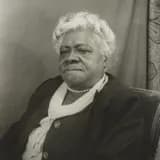
Bethune opened the Daytona Literary and Industrial Training School for Negro Girls in Daytona Beach, Florida, on October 3, 1904.
On October 3, 1904, Mary McLeod Bethune opened the Daytona Literary and Industrial Training School for Negro Girls in Daytona Beach, Florida, beginning with only a handful of students and almost no material resources. She launched the school with a tiny amount of capital, determined to create an institution that would provide Black girls with academic training, practical skills, and the confidence to claim leadership in a segregated society.
The school’s founding was historically significant because it represented far more than a local educational effort. In the Jim Crow South, Black children—especially Black girls—were routinely excluded from quality schooling and denied serious institutional support. Bethune confronted those barriers by building a school that combined literacy, industrial training, moral development, and leadership formation. Her model reflected a broader vision of self-determination: Black education should prepare students not only for work, but for citizenship and public life.
The school later became part of what is now Bethune-Cookman University, an enduring testament to Bethune’s institution-building. Its survival and growth demonstrated her skill as an administrator, fundraiser, and visionary. The opening of the school marked the beginning of one of the most important educational legacies in African American women’s history.