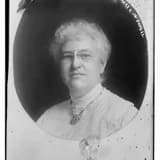
Mary McDowell died on October 3, 1936, in Chicago, having spent more than four decades fighting for labor rights and environmental justice.
Mary Eliza McDowell died on October 3, 1936, in Chicago, Illinois, at the age of 81. By the time of her death, she had spent more than forty years as a tireless advocate for immigrant packinghouse workers, women's labor rights, and environmental sanitation reform in the city's Back of the Yards neighborhood.
Her death marked the end of an era of settlement-house activism that had transformed urban reform in the United States. Colleagues, former neighbors, and labor leaders mourned the loss of a woman widely regarded as one of the most effective and beloved reformers of Chicago's Progressive Era. She had served as Chicago's first Commissioner of Public Welfare (appointed in 1923 by Mayor William E. Dever), continuing her environmental justice work at a policy level even in her later years.
Her legacy persisted through the University of Chicago Settlement House, later renamed the Mary McDowell Settlement House in her honor, which continued to serve the Back of the Yards community for decades. Streets, schools, and community centers in Chicago have since been named for her, cementing her place in the city's civic memory.
McDowell's death was noted in national labor and reform circles as the passing of one of the last major figures of the first generation of American settlement house workers, a cohort that included Jane Addams, Florence Kelley, and Julia Lathrop.