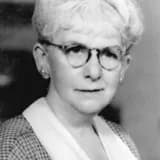
In November 1947, Douglas’s book "The Everglades: River of Grass" was published, redefining the Everglades as a vital "river of grass."
In November 1947, Marjory Stoneman Douglas published her seminal book The Everglades: River of Grass, released as part of the Rivers of America series.[2][7][9][12][20] Although the exact day in November is not documented, the book’s appearance just weeks before the official opening of Everglades National Park marked a turning point in American environmental thought.[9][20]
Douglas’s book advanced a revolutionary thesis: the Everglades were not a worthless swamp to be drained and developed, but a complex, life-sustaining “river of grass” whose health was essential to south Florida’s future.[2][7][12] Drawing on five years of research and field observation, she combined ecological science, history, and vivid narrative to explain how water flowed through the region and how human schemes to control it threatened the entire ecosystem.[20] Her clear, compelling prose made hydrological concepts accessible to lay readers and policymakers alike.
The publication was historically significant because it reframed national understanding of wetlands, helping shift U.S. conservation priorities toward habitat preservation and ecological integrity rather than simply scenic beauty.[9][12] The book quickly became a bestseller and is credited with raising public consciousness and strengthening political support for the newly designated Everglades National Park.[7][9][12][14] It also provided a foundational text for modern Everglades restoration efforts that continue into the 21st century.
For Douglas, a woman writing in a male-dominated field of science and policy, the success of River of Grass demonstrated the power of literary advocacy. Her work showed that a single well-researched, passionately argued book could influence legislation, land-use decisions, and the broader environmental movement. The November 1947 publication thus stands as a sentinel moment in both environmental history and women’s contributions to conservation, cementing Douglas’s reputation as the "Mother of the Everglades."