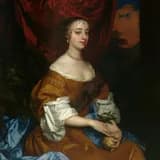
Hughes becomes the first woman known to play Desdemona in Othello, breaking the male-only tradition of performing female Shakespearean roles.
Margaret Hughes's performance as Desdemona in William Shakespeare's Othello on 8 December 1660 at the Vere Street Theatre marked the first time a woman is known to have performed this particular role on the English stage. Prior to this, Desdemona—like all female Shakespearean characters—had been portrayed exclusively by boy actors or young men, a practice dating back to the Elizabethan era.
This performance occurred under the auspices of Thomas Killigrew's King's Company, one of the two patent theatre companies established after the Restoration of Charles II. The choice of Othello, with its tragic heroine Desdemona, was a fitting vehicle for this historic transition, as the role demanded emotional depth and vulnerability that audiences and playwrights increasingly felt was better served by an actual woman rather than a boy in costume.
The cultural impact of this moment was profound. It represented not merely a casting change but a redefinition of theatrical realism and gender representation on stage. Contemporary prologues written for such early performances by women often directly addressed the novelty, reassuring or teasing audiences about the presence of 'real women' performing. Hughes's Desdemona thus stands as a foundational moment in the history of women's participation in the performing arts, later inspiring the folkloric and later even Guinness-recognized narrative of the 'first English actress,' though scholarly consensus remains cautious about assigning absolute primacy given competing claims for contemporaries like Anne Marshall.