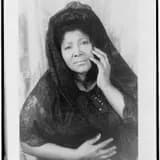
Jackson made her first gospel recordings for Apollo Records in New York, launching her gospel recording career.
On October 3, 1946, Mahalia Jackson made her first gospel recordings for Apollo Records in New York. This session marked the true launch of her gospel recording career and placed her work within a label that would become closely associated with Black popular music and gospel performance in the postwar era.
The date matters because Jackson was entering the recording industry at a moment when gospel was gaining new visibility but remained professionally and socially constrained by segregation. Gospel singers were often expected to remain within church settings, while the wider entertainment industry sometimes dismissed sacred music as commercially limited. Jackson challenged that boundary by treating gospel as both spiritual testimony and a serious public art form. Her Apollo recordings helped define the sound that would later make her an international figure: a voice of exceptional range, emotional authority, and devotional conviction.
This milestone also helped establish a repertoire and recording relationship that would culminate in her most famous breakthrough. The Apollo session is significant not merely as a first recording event, but as the beginning of the recording path that brought gospel music into mainstream American consciousness.