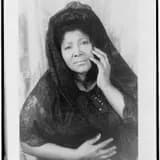
Jackson’s “Silent Night, Holy Night” entered the pop charts, showing continued crossover success.
On December 8, 1962, Mahalia Jackson’s recording of “Silent Night, Holy Night” reached the pop charts, reinforcing her unusual ability to make gospel-rooted material succeed in mainstream commercial space. For an artist identified so closely with sacred music, this crossover remained remarkable because it demonstrated that religious repertoire could attract broad public attention without losing its devotional character.
The charting of this recording reflected the unique position Jackson occupied in American music. In an era when genre boundaries were tightly policed by record companies and radio programmers, a Black gospel singer entering pop charts was still uncommon. Jackson’s success challenged assumptions about what kinds of voices and songs could travel widely in the marketplace. It also helped broaden the audience for gospel-associated seasonal music at a time when Christmas recordings could move between religious and commercial settings.
The achievement belongs to the larger pattern of Jackson’s career: each crossover success strengthened the legitimacy of gospel music as a major American tradition and expanded the public’s understanding of Black sacred performance.